Thursday, June 18, 2015

Creation of Life...................

Earth is about 4.32 billion years old and as per Puranic description it is 1 Kalpa old. 2 Kalpa make a day and a night of a Brahma and He lives a 100 years in this life cycle. Current Brahma age is 51 years. 1 Kalpa is divided in 14 Manvataras and we are in 7th Manvatara: in the mid of the creation and recreation process. Each Manvatara has 71 Chaturyugas and each Chaturyuga consists 4 Yugas (Krita/Satya, Treta, Dwaper and Kali).
The time period of each Yuga is calculated in Divine years as follows:

1 Humane year (360 days) = 1 Divine day (day & night) and 360 Divine days= 1 Divine year.
1 Divine year= 360*360= 12900 Humane year, and after covering that time period the humane will reach to Deva status. The time is a distance itself!

Life cycle of Chaturyuga is calculated as:
12,000 Divine years= 1 Chaturyuga
4,800 DY (Krita Yuga)+ 3,600 DY(Treta Yuga)+ 2,400 DY(Dwaper Yuga)+ 1,200 DY(Kali Yuga)
==1200,00 DY==120,000*360== 4,32,000,00 Humane Year

There are 71 such Chaturyugas in 1 Manvatara and there are 14 Manvataras in 1 Kalpa of Brahma. Afterwards, Brahma goes to sleep and the whole creation and our earth will go to dissolve for the same time period (71 Chaturyaga periods) until the new creation starts the next day of Brahma. 1 Day and Night of Brahma is end with the creation and destruction of universe and Brahma lives for 100 years!

For a normal being the reality lives in 3-dimensional objects but for the exalted one the time is perceived as another direction or plane of existence. So the future appears to us as something will happen in time at certain point and the Siddhas see the future as another dimension that they have to cover to reach that point. They are taking 12900 Humane year to reach to Devas places, consider the penances and hardships they are indulged in his life time. Though, for Devas it is mere 1 Divine year! This is the Metaphysical interpretation to represent the humane potential to reach to Devas status! The exalted one sees the universe parallel where the events are occurring simultaneously in universe while for us it seems to be happened in next Yuga cycle. Thus, time is also a dimension they can travel in.

There is a Long Living (surpassed the time and reached to another dimension) KakBhusandi (Crow-Swan) who had seen many versions of Ramayana and Mahabharat, Samudra Manthan, Koorma avatar, Mohini avatar, Varaha avatar, many Brahma, Vishnu, Vashistha, Vamana at different time periods. They may be the rebirth of earlier one as we know Atma is imperishable! They might give the feeling of Déjà vu! 

In Mahabharata, sage Lomasha told Yudhistera that this is the 3rd time he is taking them to the same teertha. Yudhistera had gone through the same cycle two times before, but didn’t learn his lesson form life. Third time was the final visit to the same teertha and afterwards, he courageously came upfront for the war against evils. Life gives many chances to humane to correct their mistakes of previous birth, learn the unfinished lesson and act accordingly. One cannot escape with his/her karma. The entire concept of having a life is to unite Jeeva with Parmatama.

The source of the universe is the eternal Brahman; beginingless and endless, unborn and incomprehensible. It is always existing since time immemorial s as this universe is not the beginning of a creation. As per Nasaditya Sukta of Rigveda, they didn’t know who created the universe and to whom they should give havi (offerings). The ancient scriptures say the elementary composition of the universe is Sun and the rest of the universe are woven in a string (Vayu). Vayu is not just air! Vayu means which is all pervading and which takes the shape of every object in the universe.

The creation starts with principle Mahat (divine intellect) and ends with five elements (Water, Vayu, Earth, Ether/sky, and Agni) of life. The Brahman or Mahat was un-manifest and in unconscious state, Gunas were in equilibrium state. There was no change or movement or energy flow from one state to other. The Brahman or Atman was still and in tranquil state. It was in Sata or eternal state.

Vayu moves and wake Brahma, it changes the balance between gunas, allow energy to start flowing and the divine intellect came into existence. Vayu, the divine thread of the universe, or string take the form of Varaha and extracts earth from the celestial ocean. The Varaha set the earliest geography, rearrange mountains, oceans, lands, environment for the creation to start.  In the beginning there was a large ocean or celestial water (dark matter). Brahmananda is the cosmic egg lying there for an innumerable yugas. Brahma, being Vayu, Rochana (divine thread) himself, moves over the cosmic celestial ocean, brings up the earth from the bottom. This was the appearance of life and movement on earth where the wind, Vayu, the vital breath cannot be disassociated from earth.

Vayu is the life force in a body and we are alive till the life force is inside the body otherwise we are no more: the life force has left him, he is no more in the body. At the very beginning, life has taken form of a unicellular and then gradually it developed into multicellulars. Those, who were regularly striving with their surroundings, actively functioning and inactivating their cells to produce more, converted into multicellulars. 

They were endeavoring for life, for joy instead of surrendering the merciless and harsh nature. This Prana or life force is the first and last manifestation of life and movement. This Prana or Vayu is the Prabhanjana (destroyer) or Shiva also as unicellular has to be destroyed to take form of a multicellular. So Brahma (Vayu) is creating life and sacrificing himself (Shiva) for the sake of life! And, we are part of a Brahma (Super Soul) connected to the Brahma and one’s end give the new beginning to another. Passion or activity or Karma in the pursuit of knowledge or enlightenment or Satya make us the Brahma!

Beautifully the concept is explained through Puranic mythology. The Mahat (divine intellect) created the consciousness, the Purusha or Atma or Jeeva. And Prakriti is the material components prevalent in nature which configure the human brain,thoughts, and gunas. Brahma immediately created the Prajapati Ruci. Ruci is the interest, interest of life, interest to create and that interest has created through of agitation/imbalance of Gunas (Sata, Rajas, and Tamas). Ruci had 2 sons: Yagneya and Rochana. Yagneya is the chief of the universe, who manages and preserves the universe as Vishnu, destroy and unleash the pralaya as Shiva. He is the ultra powerful god of Rigveda, the Indra himself. 

Then there are many levels of creations where they created various groups of Devas, Pitras, Prajapatis, Dharmas, Rudras, Aditayas, Vasus, Ganas, Visvedevas, Maruts and etc. Prajapati daughters married Dharma and gave birth to various groups of Devas or religions who had spread to different world and different pantheons. Dharma or YamaDharma is known in all cultures across the earth, from Japanese, to Mongol, Ugrians, Finns, Scandinavians and many more.

Indra is the brain (king), which controls the Indraiyan (devas).There is the step ladder to reach to the ultimate state of Moksha:

The matter- Senses (Devas) - The mind (Indra) - Intelligence ('buddhi, or awareness) - The Soul (Moksha or Parmatama). Intelligence or Mahata is higher, the Dharma himself and finally the Parmatma. Intelligence or awareness is important to flow energy in right direction which enlighten your path. Destruction of status quo is needed to create a new beginning and Vayu take the role of Shiva or Prabhanjana and Purushartha of kama (Purusha) to break the inertia and starts a movement of Gunas. Satva Gunas (Purity) is the Moksha state or balance state, it needs a Rajas (passion or activity) in the mind as attributes to create and Satva to preserve the creation. Then Tamas to destruct (evils, greed, igo, ignorance, inactivity), though it is also opening the new door for a life to enter.

Rigvedic Indra was the first elected and conquering Indra. He was the illegitimate son of Kushika family.  This energetic young man was servicing Asura chief and would rise against their Adharma and won his independence and established Swarajya or Swargya. He was Purandara, who won several hearts and resides in their body. The transcendental interpretation is he is the God (lord of senses or devas) living inside us that needs to win the senses to become Purandara. Thus, the soul or Indra is the king of Triloki (Humane body exists in past, present and future). 

The Indras are selected from all societies whether it’s, Rishis, Kings, Daityas, Danavas, Manavas, all qualify to get the Indrahood. Prahalad, Virocana (Danavas), Viprachitti (Daityas) and many other rakshas all were Indras. There were many Indras in our ancient texts and Indra was representing a group of people who have won the past, present and future by deep penance, intellect, strength, learning and exploits.

It is shown many times that Indra is in fear to losing his throne when any rishi or king do tapa but in reality Indra is always looking for the new one who can hold His throne. Thus, he conducts many tests where he sends Apsaras (his qualified agents) to check whether they transcend the lures of flesh or desire. Apsaras denoting the lust of a man! It was not that rishi had have to deprived of women. Vishwamitra lived with Menaka for 10 years and still achieved the power to challenge the Indra and all devas and created new Swargya for Trishanku. Next step was to test the willingness and strength of a man to fight the status quo or inertia prevailing in society. The great men like Bheeshma, Drona, Kripa couldn’t pass this step, they had cowardice or unwilling (chalta hia) attitude to rise against the evil rule of Duryodhana.

Our scriptures have always been misinterpreted and wrongly translated. These scriptures are written in a way to give three interpretations:
  • ·        Upachariradi (higher interpretation)--transcendental
  • ·        Astiakdi (historical interpretation)
  • ·        Manvadi (dharmik or bhakti interpretation)

That’s why here we see many Deva-Sura Sangram, various Avataras of Gods, various gods for different purposes, various kinds of Astras, and various kinds of species: Ghandharva, Kinnara, Apsaras, Vanara, Gaja, Naga, Garuda, Birds, Pitras, Bhuta, Ganas, Rakshas, Yakshas, and all. We take literal meaning so it appears to us blatant mythology and exaggeration. It is injustice to these huge and profound creations to see them with our narrow tinted lenses and twist their wisdom to match our shallow ideologies and to prepare arguments in support of our tiny understandings. 

It is the beauty of writing that could have compiled 3 or many interpretations that explained the historicity, spirituality and common believes of the same event. It is the beauty of the reading that could have distinguished the facts, transcendental, and bhakti meaning of the same event.  

For instance, Gayatri Mantra is not associated with any religion and we all are the descendants of ancient people who were not aware of any religion. Sun and knowledge are widespread and anyone can get enlightenment. Gayatri Mantra is the gift to mankind by the GOD! Gayatri is the form of Saraswati--the goddess of light and knowledge.

When Brahma was meditating, he uttered 3 words: bhu, Bhuvah and Svaha. Bhu is Earth, the satta, the existing and visible Loka. Then, Bhuvah means will happen in future time—the Loka of potential (Bhuvarloka) lies around you. The firmament of earth! The potential in you, which take shape in earth or cumulatively Earth’s potential as per our old philosophy “Vasudhave Kutumbkam”. Bhuvar is the distance between earth and sun and domain of Vayu. Earth is You and Sun is the light or enlightenment—the soul! Then, the Svaha loka or Swargya loka, grand loka, that ought to be reached so the purpose of Earth or You to reach that loka. And the Indra or Natha is the lord of all three worlds. These are the three states (Bhu, Bhuvah, Svaha) of the fourth dimension. Svaha is not perceivable and we are not aware where it lies.

The step ladder is: Earth—Spiritual pane—Heaven.  We do worship/Nishkam Karma at earth and aspire to reach to heaven. But heaven (Svaha) is illusion as our soul aspires to merge with Parmatama (enlightenment). That is it Sole Purpose to take birth on earth! Hence, heaven is Maya (illusion) land. Oh, and the earth is very real and our accumulated Karmas on earth decide our destiny of next birth. The Bhuvar loka or the surrounding environment or spiritual plane is the land between Earth and Swargya (or upper loka). It is the inner plane, our awareness to the truth to reach to the soul (Swargya). 

To know YOURSELF!! Know your deep routed soul and then recognize your enemy and overcome them. Renounce all undesired weights and be as light as balloon to fly on sky, be bird or aeroplane to travel on Uparichara (higher) region. Bhuvar loka, the Vayu connect beyond to the mundane and it is our potential, our passion and activity to reach to the Soul (enlightenment).

The whole Gayatri Mantra is:
 
ओम् भूः ओम् भुवः ओम् सुवः ओम् महः ओम् जनः ओम् तपः ओम् स॒त्यम् ।
ओम् तत्स॑वि॒तुर्वरे॑ण्य॒म् भर्गो॑ दे॒वस्य॑ धीमहि ।
धियो॒ यो नः॑ प्रचो॒दया॑त् ।
ओमापो॒ ज्योती॒ रसो॒ऽमृतं॒ ब्रह्म॒ भूर्भुव॒स्सुव॒रोम्)

There are 4 more states: Maha, Jana, Tapa, Satya in other dimensions. Total there are 7 upper lokas and similarly there are 7 lokas underground.

In Maharloka, the lifespan of being the Mahatamas is One Kalpa. The life time of Devas in Swargya is 1200 to 12000 years and at Maharloka, the life time of a Mahatma is a 1000 time the lifetime of a Deva. These are not just the lifespan; it is a distance that Devas need to cross to reach to Mahatama status. At that dimension time itself becomes a distance to be crossed! The Mahatama Gandhi was born at October 2, 1869 and he is still living in the millions of hearts in India and in World. He is living since 146 years and will continue to live for a century atleast. These Mahatamas or the legends live on through their ideas, their words, and their actions and we remember their lives to the eternity. Rama and Krsna are living since Treta and Dwaper Yuga and till now they have crossed higher upper lokas. These 3-dimensional lives have given immortality to these legends!  

The highest loka is the Satya Loka. This is the resident of who cross the barriers of eternal cycle of birth and death and assimilate in Super Soul (Parmatama)! Similarly, there are 7 descending lokas also known as Patala. Patala is even more splendor, beautiful, and prosper than Swarjya. Astiakadi or Historical interpretation is that the Raksha, Daityas, Danavas, Nagas, Sarameya, Vasuki and all are living in Patalas. They are defeated by Devas due to their old, stale and rigid policies and so they don’t share place with Devas and Mahatamas and given, respectfully, the underground dimensions.



Sunday, April 19, 2015

Civilization--India to West...............

The Harappa and Mohenjo-Daro had developed a good trade relationship with Mesopotamia, Egypt, and Turkey around 2500 BC period.  As per Puranic descriptions, Kartavirya Arjuna built unconquered and giant naval fleet comprised thousands of war ships and built a mighty empire and ruled for 86 years.  Kartavirya Arjuna revived the fading glory of Haihayas (Yadu descendants) and Haihayas fleets prospered and accumulated lot of wealth by their sole sovereignty on overseas trade.  Yadu was the Yayati eldest son, who was denied throne and Haihayas were Yadu descendants. Hya or Chinese Xia dynasty ruled for 2100—1600 BC until the Shang dynasty overthrew them.

Kshatriyas earned enormous wealth and built a mighty Vaisya-Kshatriya empire. The another one on same line was Bhriguvanshis Brahmins with the wealth of Vaisya and they too set up a huge merchant enterprise on western ocean. The clashes between the two giants were obvious and gradually, Kshatriya merchants were becoming shorter before Brahmin merchants. Trade rivalry turned into a bloody war and Haihayas massacred all the Bhrigus and invited their assured destruction.  Thus, the first Dharma Yudha was about to begin when 17 Akshauhinis of Haihayas, 100 sons of Kartavirya, his allies and the custodian of old dharma- Vashistha arrayed against Parshuram, armies of Vishwamitra, Ikshwaku king Sagara and his cavalry force.  Probably the story revolves around mature Harappan phase. The 5 pool of blood filled with Haihayas dead. The old society was destroyed and ready to start from fresh, a new kind of Kshatriya was ready to take birth.

Parshuram was born as Brahmin and act as Kshatriya and he was referred as Vishnu avatar, a Rama with an axe! He manifested from Jamdagni’s anger, a Kshatriya anger to slay the Akarmic (inaction), aggressive, unprogressive, and Adharmic Kshatriya.  He vacated Bharata land from Kshatriyas; he conquered 18 lands.

Conflicts and contradictions among the people were arising because of incorporation and assimilation of new rules and disfavoring the old pattern of society.  The only way remained to accept the change in society for further evolution or leave this holy land. Why there had been occurred so many Deva-Assura war in remote antiquity and haven’t we seen the sudden rise of new civilizations in near nest at the same time? Do we have any historical evidences of the evolution phases of Assyrian, Akkadian, Hitties, Mittani and Greeks civilizations?

Greeks and all feudal states of Greeks developed the unconquered naval fleets and carried a long historic rivalry with the Persians for many centuries. The dynasty in the Epic of Homer is called Atreides (originated from Atri). Atri sons were Somachandra, Durvasa, and Dattatreya and KArtavirya Arjuna was the disciple of Dattatreya. PArshuram destroyed the Mithila dynasty and gave reign to Dattatreya and Dattatreya was succeeded by Nimi whose onward descendant, after few generations, would be King Janaka (Ramayana fame). King Nimi and his genealogies were greatly described in Jaina text.

Sage Atri was Brahma son (start of origin) and he had 3 wives: Aditi, Diti and Danu. Danu is similar to Don river of Russia. Adityas were born from Aditi, Daityas were born from Diti and Danavas were born from Danu. The ninety provinces and rulers of Assyrian provinces bear the Assura familiar name.  One of sons of Danu and one of the provinces of Assyria is called Sambara.  Sambara is described as assura in our mythology to whom Krishana fought and defeated.

India at ancient time (In the Epic age) was "Akhanda Bharath" which includes Aratti (Arab), Gandhar (Afghan - Kandahar), Pakistan (Kaikeya and Madra regions are from Pakistan), Today's India, Nepal, Burma (Myanmar), Tibet, Sri Lanka, some portions of China (Not entire China), Some parts of Russia (Not entire Russia), Cambodia (often referred as "Kamboja") and few other Lands of Indonesia, and ofcourse Bangladesh. These many areas were called "Maha-Bharath" too!! Yudhistera, Nahusha, Sagara were the Chakravartin Samrat who ruled the entire world/earth (Akhand Bharat). Later India is referred as Jambu Dweepa. Jambu Dweepa means land below Jambu or Jammu. There is no particular Sanskrit word for refereeing “Sub-continent”.

MitraVaruna is the Ahura Mazda. Aryamana in iranian would be Iranaman. Aryamana was sun god at one point then took other roles. Sun position is occupied on rotational basis. Mitra was the Sun at the time of Samudra Manthan and maleficed by Rahu.  Ahura Mazda means Lord of Asuras. In monotheist zoroastranism, Mitra is Mithra and Varuna is Ahura Mazda and Indra is Mazda Indra, his place is still called Mazendran.

In a treaty between the Hittites and the Mitanni, the deities Mitra, Varuna, Indra, and Nasatya (Ashvins) were invoked. Well, I can go further to the Balts and Slavic nations and the similar mythologies and Gods that they share with us. But the purpose here is to focus on to various contemporary civilizations developing in west around the period of mature Harrapan phase.  People were evolving, shunning the old ideas and old practices, developing new vibrant thoughts, incorporating new teachings and philosophies and new Dharma was established in India. New paradigm was set and society was inclining towards Vedic way of life.

There was no religion kind in Ancient India and Epic India. They had several philosophies which were continuously evolving for the betterment of life.  There is no ONE supreme path; choose middle path; choose your own way; your own will and make your path and accept the karma result.  No separate Vedic or Indus civilization as it has been taught in history since several years. Vedic and Indus traditions were part of a single society and that extended to the Central Asia so maybe someday we could find our Krsna, Arjuna, Chanakaya, and ChandraGupta had been born in Iranian land!

Vaivastava Manu (current Manu avatar) had founded 4 solar kingdoms which become 9 kingdoms and called Surya Mandala. Solar kingdom, where everybody is equal, men are equal to women! It was after 30 generations, the lunar lineages descended from Yayati. Sun and Moon were Danava before that’s why they recognized the Rahu (assura), when Mohini (Samudra-Manthan) was giving Amrit to Rahu. Assura was the society, who rejected the Sura (Wine drinking or social life or civilized life) and Deva accepted the Sura drinking. Assura were brutal, barbarians, pastoralists and uncivilized Kshatriyas who shun the Brahmin way of civilized and peaceful life. That ‘why the ParshuRam picked up the axe and started killing these barbaric Kshatriyas. We can assume that vast scale of urbanizations has also created a cohesion and struggle between the urbanized and pastoralist’s society.  As the urbanization had taken speed the uniformity in social rules, writings, cultures, and weight measures were incorporated. Miscreants Assures had denied the well formed guiding rules and rejected the socialist ideas.

Swarga was the term used for Swarajya! Indra was the title and occupied by many deserving elected persons and most of the time people fought with each other for holding the position of Indra-the ruler of the world. The elected Indra, at this period, was the supporter of rational and innovative ideas and he supported the counter riks (countering Rigveda) of Narada and his ideas of austerities, penance and renunciation for the enlightenment. This created a fissure in society and new paradigm was in its way to construct a Vedic civilization.  The Indra stood against the old guard of Dharma—The Vasishtha. Buddha, at that time, supported Rig Vedas old riks and opposed the idea of penniless rishies.  Buddha represented here the newly evolved Kshatriya who participated in Dharma Yudha and had slain uncivilized Kshatriyas. Rig Veda is a family text and each mandala is contributed by a certain rishi families and thus reflects their philosophies. 

Indra made alliances with Daityas, Chandra and Agni for spreading harmony in a society. Chandra, as per his assura nature, created a problem for Indra and that led to next Deva-Assura Sangram. There are 15 Deva-Assura sangram have been listed in Puranas and you can guess the amount of strife and struggle in the society and consequently mass exodus to distant westward lands.  The natural calamities like floods, quakes, and shrunken rivers also add up to the migrations of people to a large extent. There is an interesting story behind Chandra-Assura sangram with Devas, though I m skipping the story to not to extend the article.

Anyway, Chandra backed by Assuras and killed almost Devas. That rifted the society ideologically and culturally in different parts. Chandra got the son Buddha. Buddha married Ila and this was the start of a Lunar dynasty, philosophically. Ila was a combination of a man and a stallion and converted to a woman and married Buddha. Ila was the original goddess of Venus and all other Pantheons have goddess for planet Venus, except ours. May be they would had been parted away to different directions before Ila was replaced with Shukra (Assura Guru and Brahmin) in our mythologies. Ila was the Sumerian goddess Ishtar—the goddess of war and seduction. Ila seduced Buddha and took him away and Suryavanshi replaced the woman with a male Brahmin. They contradicted the earlier notion of men equal women. The Budhha had a son Pururava and his grandson was Nahusha, who had a vast empire extended to Turkey and near east. Nahusha and his nephew Nriga were also Indra at one time. Ancient Chaldeans and Babylonians in remote antiquity worshipped Nregala, the lord of heaven (NRIGA!) who is also an Aditya and is supported by seven wise men (Sobitti or saptarishi).

Buddha (Lunar Dynasty) son Pururva had several wives. His queen Ira is supposed to be the founder of Iranian dynasty and lady Urvashi (lived in Ur) is the most famous one and his soul mate. This was the period between 3500-3000 BC and Leonard Wooley discovered a queen’s tomb (in City Ur), made of gold, dated to 3300 BC.  This is not proof but proofs lie somewhere here, need to be unprejudiced mind while digging out the truth. Back to the story, Urvashi had been called back by Ghandharva and after several pursuance allowed to meet Pururva, once in a year. He had many sons from different other wives who shared his original kingdom.  We find many cultural similarities in Mesopotamia, Elam, Susa, Assyria, Akkad, Babylone and other surrounding civilizations.

Indra is the Verethragana of ancient Assyrians and Persians. He became over time the Vahagna (Vrahi Agni) of Armenians later called Vram (Vishnu). Both Agni and Vishnu are Indra’s deputies. Over time later Sogdians called him Wshn or Vishnu. Manicheans adopted him in their religion as Wryhrm.

Many Buddha had been born before the Siddhartha Buddha! And Siddhartha Buddha hadn’t created a new religion; Buddha means ‘enlightened one’ and he was Sakyamuni Gautam Siddhartha. It was after 100 years of his PariNirvana, his preaching and stories were compiled and in the first Buddhist council, Buddhism was dived into Mahayana and Hinyana and Buddhism as a religion has started taking shape. Earlier Buddhism was known as Kshatriya Dharma—a refined way of Kshatriyahood. From the beginning, you can see that several Dharma Yudha had been occurred to kill the adharmic Kshtriyas. Kshatriya means the particular Tamsic ideologies, manner of life, cultures, socio-political ideas and Buddha was the rebellion against the brutalism of war and massacre of people in the name of gaining kingdom. He defied the idea of animal sacrifices in victory Yajna (Aswamedha). He himself was fond of eating pork and someone knew this and served him uncooked meat and that proofed his last meal.

Near to the end of BC period, there was no division in society on religion. Maurya family was a coalition of Jain, Buddhist, Vedic and Ajivaka paths. These were not the separate religion, unlike today. ChandraGupta Maurya was a Jain and Chanakaya was a nephew of Jain Shaktar (Nanda minister). Buddhist path was called Ksatriya path after Siddhartha. Jain as Vaisya patha after Mahavira's because major followers came from Vaisya community.  Ajivaka founded by a cities Brahmin and that was based in the markets or say the limited to business community. Villagers were still following the Vedic or traditional beliefs. So these many, so called, religions evolved because of different ideologies surviving in society, like today we have so many political parties.

Sarmanic tradition is the oldest religious tradition of India. Jainism and Buddhism came out from Sarmanic tradition. Asoka, nowhere in his edict had written Buddhism, instead he mentioned Sarman, Brahman, Dhamma (Dharma), Sangha (church). Jainism (Sarmanism) is the oldest religion not in India but throughout the world. Sarmanic tradition was deep routed in Induc valley. Social equality, aesthetic religion, naked saint, ascetic life, austerities, Vanvasa, penance, Yogi Shiva/Rishaba, Sadhu are the Sarmanic way of life.  

Vedas mentioned only two temples: Jaganatha Puri and Thirumala-Thiripati. RigVeda didn’t know about god; they paid their gratitude to the various Devatas for their benevolence in the kind of wealth, nature, fire, water, rain, wind and the list goes on.  Indra was the prominent god/lord of Devata at Rigvedic time; Vishnu, Shiva and rest of gods came later. These 2 temples were already existed there, before the Vedas discovered other gods! Haven’t we thought ever that once a religion was widespread throughout India and now they have reduce to possess just one pilgrim site and only one god and that is Sravana Belagola, Karnataka!! Dharma is a Karmic Wheel and several thousand years later the Hindus faced the same bloodshed and atrocities in the name of other religion.

India is not the land of once race, one culture, one language, and one god so to impose a simple theory that some Aryans invaded India and destroyed Indus Valley civilization is the outcome of very cheap and lazy research. Before British India, there was no north-south faction, no states was divided on the basis of language; they were reigned and known by a different rulers. Now we have some 27 states based on Languages, primarily. As the time change, the society evolves to take new convenient shape and discard the old beliefs and notions. When the mighty civilizations of Persia, Greeks, Rome, and Egypt buried on ground, India is still carrying its heritage despite of several invasions, lootings and bloodshed, Why?? They have been encapsulated in their cultural strength, their rational philosophies, their open attitude for listening and assimilating logical ways and their struggle for continuous evolution. The Same Persians, Greeks, Rome, and all around Near East had succumbed to tyrants; they haven’t evolved from their old Kshatriyahood notions.

When the India was burning in the reigns of Turks, Sultanates, Pathans, Mughals, Ghori, and Gajanavies, the Bhakti galore of Tulsidas, Soordas, Meerabai, Kabir, Rahim, Sankara, and Chaitanya had given solace to the masses and kept them bound with their heritage and soil. We may disagree of Tulsi Ramayana and Meera blind Bhakti but their purpose was not to serve logics but to ignite faith in the masses for the supreme. That was the demand of time and they served perfectly. India is the land of Avataras and is the mother of all religions and civilizations. These people will come again and again when needed, in various Avatars. Humane logics have no role to play when God HIMself come down to earth to saving mankind.


Monday, April 6, 2015

Continued from Same story and different interpretations................


Ravana had a large support of Asura, Preta, and Yaksha and thus he acquired half of kingdom of Kubera. At one time, most of Preta Asure, Manava, and Gandharva followed Kubera and were called Yaksha.  Later they all got separated from each other because of internal conflicts emerged in their society. Pandavas also had a few conflicts with Yakshas in Mahabharat. It seems Yakshas were loosing trust amongst people and they needed to incorporate changes otherwise they would be thrown away from the system. Kubera was disassociated from the mainstream Deva and given an alone kingdom at polar region.

Gandharva was the heterodox and free cultural society and very different from the rigid central Indian kingdoms. They were distributed all over India and we see the major conflicts in society and the consequential Kuru-Panchal war—Mahabharat. Yaksha, Raksha, Daitya, Danavas, Manavas and anybody could be Gandharva based of their cultural preferences.  Yadavas and Panchalas societies had incorporated Gandharva culture. Yadavas was the confederation of many clans so they had divided opinions on many things. Many Gandharva rishis had created Brahmans, Arayanaka, and Upanishads on the land of Panchalas and majority of cases their mothers were Apsaras (Belonged to Gandharva community).

There are some of the allegories that are most frequently used to degrade the ancient past and thus questioned the whole civilization. Overwhelming character of Soota Putra Karna and Ekalavya are the most famous!

Soota caste to whom our modern, rebellious, and literary gem superhero Karna belonged was actually more responsible job than the Brahmin. They used to be the royal herald and the record keepers of Puranas and Vedas. Now a day, the Soota caste is reduced to a petty charioteer. Charioteer was highly revered in ancient society that’swhy the profession was adopted by Krishana, Shalya (Madra king), and Adhirath (Anga royal prince & Karna father).  They would the royal entourage who get the donations by the kings after the Aswamedha or Rajsuya Yagna. The medieval century’s editors and copiest translate the term ‘Sootaputra’ as son of charioteer. While the early English translations by English in Europe, French and Dutch all translate the term Sootaputra as “Son of Royal Herald. No curse of Parshuram was for non-brahmin status as he had plenty of non-brahmin students in his ashram including Bheesma. 

Eklavya was the Nishada, who was the son of Brahmana and Sudra. Nishada lost status by 2 nd century AD but Mahabharat is much older text. Eklavya sons were fought for Pandavas in Kurukshetera, whose father has lost his thumb because of Arjuna! As per Agni Puranas, the thumb is useful for good archery, but it is not necessary. Ring finger is more important in the science of archery. 

In Ramayana, Guha (the king of Nishada) brought 50,000 warriors to fight for Rama assuming that Bharata is going to attack Rama. The ruling family of Nishadas was the Kshatriya. Nishadha King Nala and Damyanti story is most famous. Many Yadava princes were adopted in Nishada family and Eklavya was the cousin of Krishana and not the poor tribal man victimized by Brahmana (Drona) and Kshatriya (Arjuna).

In ancient time, throne was something to be acquired by merit and not by birth. Yudu was the Yayati’s elder son and still he hadn’t got the throne because the youngest son Puru was the most appropriate for the throne. Yadu, despite of Devyani son and Sukracharya grandson didn’t deserved the throne and the son of a maid has got the throne without any socio-political hurdles. Puru was the son of Sarmishtha, who was Devyani’s maid. Dushyanta’s royal sons hadn’t got any rights on throne and Bharata (belonged to Kanva family) got the throne. His later descendant adopted his General’s son and made him king.  Shantanu and Bheesma were the General (Senapati) blood and not the Bharata.  

There are many cases can be found where the original bold or the eldest son had been denied and merits ascended the genes. Cousins and cross-cousins adoptions were wide spread and most of the times they have ascended the throne than the own sons of kings.  Pandu, Dharistara, and Vidura were the Parashara blood and they changed the original bloodline of Kuru to whom Bheesma belonged.  Societies were very vibrant and people were joining any culture and ideologies as per their intellects and beliefs and this process continuously refreshing the old ideas and dead practices.

Some customs had continued for a long time and it’s no surprise if we see the similar bride price incident at the time of Chandragupta Maurya which happened thousands of years later from the time of Pandu. Pandu got Bhalika princess (Madree) when he defeated Madra king and Chandragupta Maurya got the princess Helena after defeating Selecus Nicator! As per Armenian text, Bhalikas were the master of 15 lands. They could be as close to Madra land and stretch as far to Greek island.

Yudhistera was unanimously declared as Dharamraja after the war because of his stand against the unprogressive approach of Kuru, rigid and dead norms of society, inactive and stagnant ideas of society, oppression of people, and adharma.  He emphasis on ability and deeds rather than birth or status. Why do you think that no one in Kuru Sabha had spoken a word against Draupadi’s tragedy; Bheesma and Drona and all other elders and powerful rulers and nobles let that happened? Why Pandavas were denied throne every time and they spent most of their times in forest dwellings? The old patriarch nobles and statesmen didn’t want any change in the stale old rules, they had become comfortable with the current social norms through generations and didn’t want any vibration to the stagnant water.

This led the tendency to controlling and exploiting lives and many generations of Pandavas suffered this.  Yudhistera redeemed from his past mistakes of trusting people, to stake all of his belongings without thinking of future, to having a mild attitude for all misdeeds and to possessing the wavering ideas. The same Yudhistera who was ready to reconcile on 5 villages later was firm as rock to rage the war. 

The forest lives (Vanvassa)was the period of redemption, period of learning, period of acquiring knowledge, period of gathering strength and most of our philosophical texts, like Brahmana, Arayanka, Upanishadas, and Vedantas were the outcome of this learning and exploration.

India had been a witness of several movements that were raised against the oppressive dharma and brought out renaissance in the society. Mahavira, Buddha, Ajivakas, and several other cults and practices were the results of these revolutions

Thursday, April 2, 2015

Same story and different interpretations......................


We are all aware of the black event of the epic history which is questioning our civilization from antiquity till now and that was Draupadi Vastraharan. Lot of accusations, debates, counter questioning and dramas had been happened before this horrendous incident. Karana called her ‘Vaisya’ because she had five husbands or she had conjugal relations with more than 4 men, in other term. Women were considered sinless until they cross the limit of 4 men as Kunti is the best example.  Almost times the prejudiced historians forget to mention Kunti’s statement to Pandu regarding women’s sexual freedom at epic time. Panchali was not the first incident of polyandrous marriage. It was not an alien thing for Panchala tribes and there were series of genealogies of polyandrous marriage. They were referred as true Bharata and Kuru were the Bharata also. Mahabharata war revolves around Kuru and Panchala.

She was referred ‘Vaisya’ and the same is the caste for business class who involves in commercial activities that is purely based on give and take policy. They are the financial and economic strength of any nation and nation survive because of the insatiate needs of these Vaisyas to earn more and more. Karana attacked the Vaisya class. I won’t use caste because there was no such thing as caste unlike today and it’s more of a mind generated idea for fulfilling personal and political agendas. The Vaisya class left Duryodhana, trade and business were destroyed, their prosperities were destroyed and Duryodhana’s thigh had already broken before the actual war started.  How the stories take shape around the socio-political, cultural, and historical developments.

As per the Purush sukta of Rigveda, the Vaisya was depicted by Brahma's thigh and the castiest mind interpreted it as the lower position in society than Brahmin and Kshatriya. Vaisya provides the stability and prosperity to any country for surveillance and they are enabling the Purusha to stand erect in any situation because the legs are strong and unwavering.

Merit would decided by Karma than Janma and that was repeatedly pronounced by Narada, Yudhistara, Rama, and various ancient sages through Upanishads and other texts. 

Vashistha was the revered Brahmin family and his descendants were all Sudra while Kanva family descendants were found in all caste (Brahmin, Kshatriya, Vaisya, Sudra). Gautama was made Brahmin; he didn’t belong to the original seven Brahmin family.  He achieved Brahmin status because of his merit like Vishwamitra.  Kakashivana was Sudra born but was the priest at Yudhistra Rajsuya Yangya. Yajna, Dana, Penance, Renunciation, austerities, and Gyan were the ways to increase order of merit to be raised to Brahminhood.

The people were divided in four different classes based on their occupations they choose as per their skills and ability. Their choice of profession would go with their nature, potential, education, capability and resources. The system was not meant to degrade one class and elevate the other as it now becomes the usual norm of reading the ancient texts with casteiest eyes. IT class, corporate class, service class (including all government jobs), academic class (teacher, professors and researchers), scientist class and so many classes can be identified and distinguished as a separate class from each others in terms of their resources, mode of operation, policies and conducts, rules and regulations, eligibilities and skills sets.

Sudra referred the service class and they were the gross inhabitants of any civilization. Lot more people belonged to Sudra including, charioteer, artisans, potters, servants, goldsmiths, weapon makers, medical staffs including doctors, engineers, constructers, messengers and so on so forth.

Brahmin is the class of teacher, sermons, sadhu, priest, writers, poets who give their knowledge and the society would pay them the gratitude and take care their basic needs by giving dakshina and bhiksha.

I would like to point out some of the miscreant sections which are contradicting to the very essence of the epics itself.  The Puranas, Mahabharat, Ramayana and other scriptures we have today is the copy of 400-500 AD at the minimum and since then they had gone through different phases of editings and reinterpretations depending upon the socio-political and teritorrial changes. Ramayana became popular in mass during the Guptas ear when they used the local archer hero Rama as ideal man in combating Hunas. The whole India was united and stood by Skanda Gupta. He did great endeavors, collected big army and fought with Hunas for 12 years, away from his mother land. The Vikramaditya, Skanda Gupta, and their uncles’ struggles and endeavors against Hunas were incorporated in Ramayana and the local tales had become a biggest epic for Indian. 

This doesn’t mean that there was no Ramayana or no Rama, of course they had but the stories were largely influenced and  interoperated with the current happenings. Sita means the furrow in land and Skanda Gupta fought for his land/his nation against Hunas. Sita renunciation/abandonment is the creation of the Kalidas popular play “Raghuvansham” and it now an allegory to refer the Indian woman as an Abla Nari. Neither Valmiki Ramayana nor any Purana ever mentioned the story of Sita abandonment by Rama. 

Panini (the Sanskrit grammarian) had frozen the Sanskrit language around 500 BC as per the historic evidences and Valmiki Ramayana was composed thousands of years before than Panini. The drastic changes of language in thousands years had itself had changed many stories and their interpretations.

At the time of Buddha, India had 18 Mahajanapada and the same is given in Ramayana also. Around 600 BC, India had 16 Mahaganapda and kamboja, most of Ghandhara, Tigris, and Euphrates were under the sovereignty of Persian empire. The strong archer based partha tribes destroyed the Seleucid Yavanas and established rule of Dharma and silk route for 400 years. As well said in Kurukshetra ”utho Partha”! The right of rebellions against an unjust ruler had always been a part of political philosophy during Epic age ancient India. It is evident through Ramayana, Mahabharata, Mauryas, Guptas, and so on.

Ravana, the most prominent figure of Ramayana was well known as Dasanana at his time.  He had written few riks of Vedas and had a great contributions on the composition of Krishana (Black) Yajurveda. Rakshas were allowed to write Vedas and they say that the Sudras were denied of even listening Vedas.  Ravana had a unique philosophy on religions, politics and dharma and he built a big kingdom and gathered many supporters. Ancient Indian societies were running on free will of a person and that’swhy various religions, philosophies, and cultures were all flourished in this land. People were free to use their intellects and lead their path as per their beliefs and thus, every person is responsible for his own action.

Ravana built   a highly centralized system where all the powers were owe to him. Power catalyzes the hunger for more power and women were being victimized (Sita, Mandoodari, Surupnakha) in this power game of men. He initiated the conversion of people to gather wide supports for his ideology and to increase Raksha communities. Madhu Yadavas were the first one who converted into Raksha and later reconverted into Yadava Kshatriya. Vibhishana and few other ministers of Ravana camp were in favors of old Yaksha philosophy of life.  Yakshas can be compared with today’s capitalism which are directed to attain profits and enjoying life. 

Ravana had taken the responsibility of all the people and ensured to distribute the resources equally amongst them. Raksha was the separate ideology of politics and life. Nothing is good for the long time and rules are built to change as per the requirements generate. Ravana had become so obsessed with centralized power and aggravated many misdeeds and corruptions which had to be ended for once and all! 

Saturday, January 18, 2014

Evolution of Languages & Evolution of Civilizations

Aryan, the most debated and fantasized term is still a puzzle today. Historians derive the idea that speakers of Indo-European language and their descendents up to the present day constitute an Aryan race. Aryan has evolved as a supreme white race and has been politicized by racial ideologist of Nazism. A common hypothesis is that Aryans were Indo-European speakers and originated in the forest Steppes region. Quite significant numbers of theories revolves around Central Asian land, Europe, and India also. Aryan word derived from Sanskrit word ‘Arya’ and Avestan term ‘Airya’—the extended form was Airyana. It is surprising to see that this term has been manipulated in history to show the supremacy of white race over other races of the world.

In Vedic text ‘Arya’ is never used as race. It refers a noble character, righteous conduct, gentle behavior and to a civilized person. People sometimes get confused with their references of Maleccha to Greeks/Celts and Non-Aryans and Asura to Iranians.  The fact is Vedic religion has embraced all who have followed the Aryans customs, traditions, and sacrificial rituals. Indo-Iranians were referred as Asura because of their new Mazdayasini religion, Monotheism in place of Polytheism, and abandonment of sacrifices to gods. Greeks were broken off from Anatolian branch and had assimilated Semitic custom and rituals. The cultural blending was apparent in their arts, artifacts, custom, and beliefs.


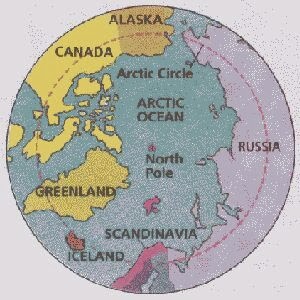
Aryan race is attributed with slim, tall, light-complexioned, blonde, superior, firm character, intellectually brilliant, morally superior, constantly striving, Ideal attitude and so many characters. Precisely, who they were and where they came from is still a hot topic of debate among historians. No valid evidences have been produced so far, yet Polar or Circumpolar origin is fairly satisfying historical, mythological, geographical, anthropological, linguists, and cultural factors. Although, DNA haplogroups study display variations because of mixing of genes in thousands of years, still rational conclusion could be get by assimilating all deciding factors. Language is another logical way to acknowledge the humanity, culture, and social identity of people who lived before us.

Indo-European language is associated with Aryans for a long time until recent, though recent years exploration and new discoveries have been grabbing scholars’ attention towards Uralic languages also.  PIE and Uralic languages share some basic vocabulary, pronouns and noun endings that display close link between these two languages. Original land of Uralic people are thought to be Polar or circumpolar region, which were completely destroyed during the last glacial period. After the last ice age, Proto-Uralic people have migrated to Northern and Eastern Europe and came in contact with primitive PIE who were dwellings in forest steppes region. Not only the PIE language but the culture, pottery design, and burial rituals were also influenced with Eastern European Uralic (Latvia/Lithuania) culture. 

Surprisingly, Sumerian language shares many similarities with Uralic language of Eastern Europe (Latvia/ Lithuania)—existing before nomadic PIE incursion to Eastern Europe--and the same similarities have been found with extinct Basque (earliest people of Wales/France) language as well. PIE language is of late origin and emerged somewhere in forest steppes region. PIE has Uralic loanwords so it seems it would have been a near speaker of Uralic language. 


Actually, PIE is not the right term when we are distinguishing Uralic (Polar origin) and steppes culture.  Eastern European Uralic influences can be found in steppes Dnipper-Donnets and Bug-Dniester Neolithic age pottery, geometrical designs, myths, themes, and burial rituals. In addition to, there are few common features have been observed between ancient Uralic language and Steppes language. However, the languages are tend to change in time with the divergence of groups and geographies. PIE would be an appropriate term to refer Black sea flood people (9000-8000 BP), who define the hybrid culture of Steppes and Uralic people.


Uralic speakers were spanned from Northern to Eastern Europe to ranged upto Northern Siberia, with dozens of Uralic variants. Sami speakers are believed to be the earliest, who have separated from their ancestral Proto-Uralic language branch during Magdalenian era (20,000 BP). They traveled through the northern coastal region of Norway and sparsely inhabited the northern Europe within the range of Arctic Circle including northern Norway, Sweedon and Finnland, and Kole penninsula of Russia, for thousands of years. Their time of arrival is not certain but Sami myths speak about long migration before reaching the present Sami land (Northern Norway). They also talk about two parts of immigration into Northern Norway, one from North and one from South. There were nomadic and traditional reindeer breeder and hunter; maritime groups are sea-mammals hunters and fishers. Sami were completely isolated for several thousands of years in terms of language, culture, and mythologies from the rest of the polar people. Although, Sami dwell largely in Scandinavia, their language is entirely unrelated to Scandinavian language. 

Scandinavian language consists of Danish, Norwegian, and Sweidsh languages, which is derived as dialects continuum and mutually intelligible with one another. Scandinavian languages are the North Germanic branch of Germanic family of languages, excluding Finnish and its distant relative Sami.


Northern Germanic branch has evolved from a Proto-Germanic or Proto Norse language.  The Germanic branch split off first from its ancestral language and traveled through Northeastern Europe and reached Western Germany. The Proto-Germanic (Proto-Nordic or Proto Norse) language was in her primitive stage when reached to Germany. The Germanic language is sub-divided into three languages: North Germanic (Old Norse Scandinavian), West Germany (Dutch, Germany), and extinct East Germany. During their long travel, they came in contact with archaic Pre-Proto-Indo-European and they both affected each other cultural system. Proto-Germanic were culturally more advanced so most of their traits, ideas, and beliefs had been incorporated by Indo-Europeans who were in their primitive stage then.  
It’s a logical point that all this cultural exchange and amalgamation must not had happened spontaneously because both the ethnic groups were living in different territories. Something must had happened that caused the mass movement of both the groups in different land. 

There is a hypothesis about historic Black sea flood, which dated around 8th millennium BC. Before moving forward, we must know about the aftermath of great Black Sea flood.
The Black Sea flood brought all the surrounding civilizations close to each others. After Black Sea flood, Uralic people and Pre-Proto-Indo-Europeans moved out of the flooded area and had encountered with West Asian Mediterranean inhabitants (Semitic). Pre-Proto-Indo-Europeans and Mediterranean both have had the Uralic influences on their languages, cultures, rituals, pottery and geometric designs. Due to great flood, Uralic culture was driven to down south and established Urbanized Sumerian culture. Vinca culture, the prehistoric society, is identified as the mixed origin of PIE and Mediterranean culture. Vinca culture was existing before the Black Sea flood and their skeletal remains verify Mediterranean physical anatomy. It’s an older civilization than both Ancient Egypt and Ancient Sumer. Artifacts and Potteries of Vinca and Sumer are very much alike and the scripts are very much identical too. Adding one more facts that lot of similarities has been attested between Proto-Uralic and Proto-Sumerian languages. 
By assembling all these facts, it appears that the predecessors of Uralic and Mediterranean had formed one society much before the Black Sea flood. Most likely, one of the Proto-Uralic branch had migrated to Western Asia Fertile Crescent region and had given birth to many complex civilizations and languages. Available genealogical data display the common chromosomal linking among Uralic, Proto-Indo-Europeans, and ancient Mediterranean societies.

Ancient Kurds (Proto-Uralic) were another complex ancient people who were more close to Urartian than Indo-European. They settled at Zagros mountain range in Southern Anatolia and must have had cross-cultural interaction with neighboring Mediterranean. They were also of Sun and Fire worshippers. Northern Anatolian branch consisted of Greeks, Armenian, and Proto-Indo-Iranians, which further bifurcated into Greeks and Proto-Indo_Iranians. 
One of the present day Uralic descendents is Turkish language, which is widely spoken throughout Anatolia (Turkey), shares many Uralic language features such as, vowel harmony, agglutination, lack of grammatical gender, and SOV word order. The Proto-Germanic branch had never been a part of Anatolian branch because they had separated before the Black Sea flood. They would have driven out to Northern Germany and then up to Scandinavia. Throughout the long period of journey from Polar land to forest Steppes, the ancient Polar people had continuously been in touch with their Pre-Proto-Indo-European counterparts. Later in history, Indo-European tribes, with the emergence of Corded Ware and Battle Axe culture, invaded Scandinavia and replaced indigenous inhabitants and languages to further North. 

PIE people actually have destroyed the civilized, farming, and peaceful Uralic society. Horse was certainly the prominent animal and the invention of wheels drastically changed the entire PIE civilizations. During this long period of history, PIE language assimilated different local variations and ethnic flavors and geographically distributed to all over Europe.

Proto Nordic people (Proto-Scandinavian) were Cro-Magnon racial type—tall, light hair and light eyes and a typical Europoid race.  The Sami (indigenous people) is widely believed to be of Eurasian origin. Y-DNA haplogroup of European origin is common among all Northeastern (Latvia, Lithuania, Estonia) European nations. Two haplogroups, V and U56, dominate Sami region (carried by 89% of Sami) and are spread at moderate frequencies across Europe, from Ibeia to the Ural Mountains. Genetically, Sami are more close to Eastern Europeans and Finns but simultaneously show Western European and Eurasian chromosomal DNA haplogroups also.  Sami is a heterogeneous group of people; few Samis appear like Mongolians. People from different geographic region came to Northern Scandinavia at different time period, so it depicts a wide range of physical features including: Indo Europeans, Germanic, Mongoloids (to some extent), and indigenous Sami.

Finno-Ugric is another branch of Uralic family of languages—distantly related to Sami-- widely spoken in Finnland. Though, Finno-Ugric is of late origin approximately 4,500 yrs old. Sami people are genetically close to Finns. The most common haplogroup among Sami is N1c with I1 as a close second. Haplogroup ‘I’ is exclusively found among European ancestry. Another important European haplogroup, R1a1a is common among eastern Europeans (speaking Indo-European language) while N1c is common among Finns (Finno-Ugric), and I1 is most common haplogroup in Sweedon. R1a1a particularly carried by Indo-Europeans (Steppes people) and spread to large region extending from South Asia and Southern Siberia to central Europe and Scandinavia.

Samoyedic language group, another Uralic branch, covers both sides of Ural Mountain and spanned in the area of Siberian coast and forest region. Proto-Uralic homeland is commonly hypothesized near Ural Mountains. Both the proto-languages, Sami & Samoyedic, have been derived from a common ancestor, which is certainly not Indo-European. The Samoyedic ethnic group further divided into North Samoyedic (northern Siberia) and South Samoyedic and occupied Tundra and forest region, respectively. Markedly, there is a subsistence relation among far north European, Sami, Samoyedic, extreme Far Eastern Yukaghir and Eskimo languages.  All of these languages share few common traits and can be safely put in a separate language family. 

Samoyedic language shares some common features with Turkic and Mongolian language, which are widely spoken at southwestern Siberia. The Turkic, Mongolian and Manchu-Tungus together compose the Altaic family. The Altaic and Uralic language family share structural similarities, some common vocabularies and agglutinate structure besides, few other salient features. Uralic and Altiac languages could be considered a sister language, which diverged from a common hypothetical ancestor known as Proto-Uralic. 

The Turkic languages are spoken principally in Turkey, Armenia, and Azerbaijan and there is an extensive degree of mutual intelligibility between Turkic and Azerbaijani languages.


After last glacial maxim, the remnants of polar people have taken various migration routes and geographically distributed to Europe, Siberian arctic, Eurasiatic, North America, and far eastern Siberian coast. This led to geographic isolation of language groups and several thousand years contributed to the evolution of a distinct new languages and cultures.  The Proto-Uralic language, ancestor of all Uralic language has unique agglutination (multiple suffixes and prefixes added) and SOV (Subject-Object-Verb) word order feature, and most descended languages inherited these features.

Samoyedic language genetically differs from Sami language but shares some common features with other Uralic family of languages. Samoyed, and other similar tribes, settled along the Arctic Circle, give Mongoloid appearances. 
The Mongolians probably were the ancestors of Northern Siberian people, who migrated to far south because of ice coverage of Tundra region and came back when the climate become warmer and ice started to melt.  During the last glaciations, the massive ice sheets, covered whole Polar and circumpolar region--expanded to Northern Europe, passed through Siberia and covered much of Northern America. The various tribes living in these area, speaking different variations of Uralic language, probably would have been extinct or would have penetrated the close proximal location and moved southwards. 

Uralic speakers were the remnants of extensive populations, once lived in Polar or circumpolar region, who migrated over thousands of years in various geographic regions. Vast geographic distance and thousands of years of independent development made this Proto language to diverge into many different languages. However, these languages retained certain common traits from their ancestor source. Further worsen created by the rising of Indo-Europeans (Steppes Nomads) and these Uralic speakers were losing their languages to the Indo-Europeans; Finns and Sami have maintained their separate language identity until recent. Number of speakers for Uralic language is comparative small but its territorial expansion is wide.

 Yukaghir is another Uralic language, which is at the verge of extinction. This language is spoken at extreme Northeastern Siberian Arctic coast. Yukaghir has extremely distant relationship with Samoyedic language. They are most ancient inhabitants of East Siberian Arctic and have long been isolated from other Uralic group. They are settled at extreme northeastern Tundra region and are close to extinct level. Yukaghir people are generally short, have dark hair and eyes, and medium pigmentation which are obvious features in arctic Mongolian. The major Uralic branch—Samoyed and Yukaghir—shows Mongoloid features. Nonetheless, Samis’ are typical Europeans majorly though, to some amount they too display Mongoloid features. In one way, it’s contradicting the long time belief of tall, slim, blond hair, and blue eyes Aryan race.


Language Hierarchy and Distribution


Deities, and Rituals:

Yukaghir worship Sun and various spirit deities. As per their popular belief, every family has sacred fire hearth in the center of their dwellings.  The same custom was the common in ancient Germanic, Scandinavian, Sami, Celts and Balts (Eastern European: Latvia/Lithuania, Estonia) cultures. Spirits deities are widespread in Yukaghir, Scandinavian, Old Norse (Proto-Germanic), Sami and, various Siberian mythologies. Sami people had oral methodology for transferring religious knowledge and historical traditions to descending generations and the same oral tradition we found in Vedic Aryans. There is an incredible parallelism of mythic themes can be observed centered around Sun god , which suggest the idea of their primordial unity in the past. 

Shamanism was the important part of their spiritual worldview which extended to other cultures also, though their role varies from one culture to the next. The Shamans are widely known as communicator between gods and people. These shamans were blessed to cure people with incurable diseases and to fulfill practical purposes with their special talents.  We see traces of Baltic-Finnic shamanism tradition in ancient Vedic culture but it was particularly centered on healing. The Vedic twin’s god, Ashwin (universal healer god), was given a position above Indra (thunder & lightening god) with his 3-wheeled chariot, while the Indra was attributed with 2 wheeled chariot.  The Sun, common principal god in Uralic culture, was given a top position with 4-wheeled chariot in early Vedic religion.

One religion that was very common among all circumpolar groups is Animal worship religion. It was a kind of religious rituals to glorify animal deities and which in later period converted into animal sacrifice rituals and widely spread to all Indo European regions. During the long period of history, animal was kept changing depending on the worth of an animal to a particular geography. In various Hindu mythologies, we see that every god is ascribed with a particular animal and is prayed along with the animal.  

We can say that the religion in many respects is similar to all circumpolar groups. There is a considerable regional variation in the names and relationship to other gods. Horagallis—the god of thunder-- An important deity in the Sami pantheon is depicted as a person carrying hammer or an axe. And we are well aware of Thunder and Lightening god, widely known as ‘Thor’ to all Indo-European religion. Thunder & Lightening god, known as INDRA, revered for the life giving rain, was the principal god in earliest Vedic religion also. Both Uralic and Indo-European cultures share few other incredible parallelisms in mythologies, rituals, languages and spiritual views. This proves their long history of close linking and cultural impact on each other. 

The most common feature carried by all descendents of Proto-Uralic language is ”agglutinatination”, meaning that multiple prefixes or suffixes can be added to a root word to create phrases or even sentences. Sumerian language is agglutinative. The language of Eskimos is also agglutinative. Vowel harmony is another common feature of Uralic languages, but on the contrary, Sami doesn’t comply this.

Language is not the only determinant associated with human evolution, though it always provides substantial logic to propound any historic theory. Archaeological findings help in analyzing the prehistoric culture and learning about the past. Both Archaeology and Linguistic are the scientific study of human evolution and cultural evolution to understanding human society and civilization. Major development in human history had started from Paleolithic culture. Some Paleolithic and Mesolithic cultures have been found at Poland, Germany, Scandinavia, and Eastern European sites with similar artifacts, tools, pottery design styles, and ritual beliefs. They were mainly Hunters-gatherers, fishers, reindeer and seal hunters but agricultural evidences also found at primary level.  Hunting tools were mostly made of flints at northern and eastern Europe. Primary similarities among all these settlements were their burial rites.  Boat burial was common where they placed the deceased in the hollow tree trunk, shaped like boat, and directly placed in the ground. Red ochre was widely used for burial on both humane and animals. Both cremation and burial were practiced—the boat was used to burn in the sea with diseased body.  Somewhere it was marked with stones in boat shape on the surface of buried body.  Funerary boat rituals or burning boat burial was attested at Scandinavia and resembled boat-shaped wooden coffin rituals for dead found in Latvia and Lithuania.

Besides humane, Dog has also given importance in burial rituals. Dog graves were prepared and gifted the same as humane grave. Dogs were often treated as invaluable and widely domesticated animals because of their aid or rather an assistance in hunting and pulling sledge on ice slopes. Dog was of the same value to Polar people as the Horse was to Indo-Europeans.


Threes in Everything

Sometimes, the first experience leaves a lasting impact, and Threes in Everything is one such transformative encounter.

Dentists Marketing

Free Links Directory

Exploration: Evolution of Languages & Evolution of Civilization...

Exploration: Evolution of Languages & Evolution of Civilization...: A r yan , the most debated and fantasized term is still a puzzle today. Historians derive the idea that speakers of Indo-European language...